
 By Admin |
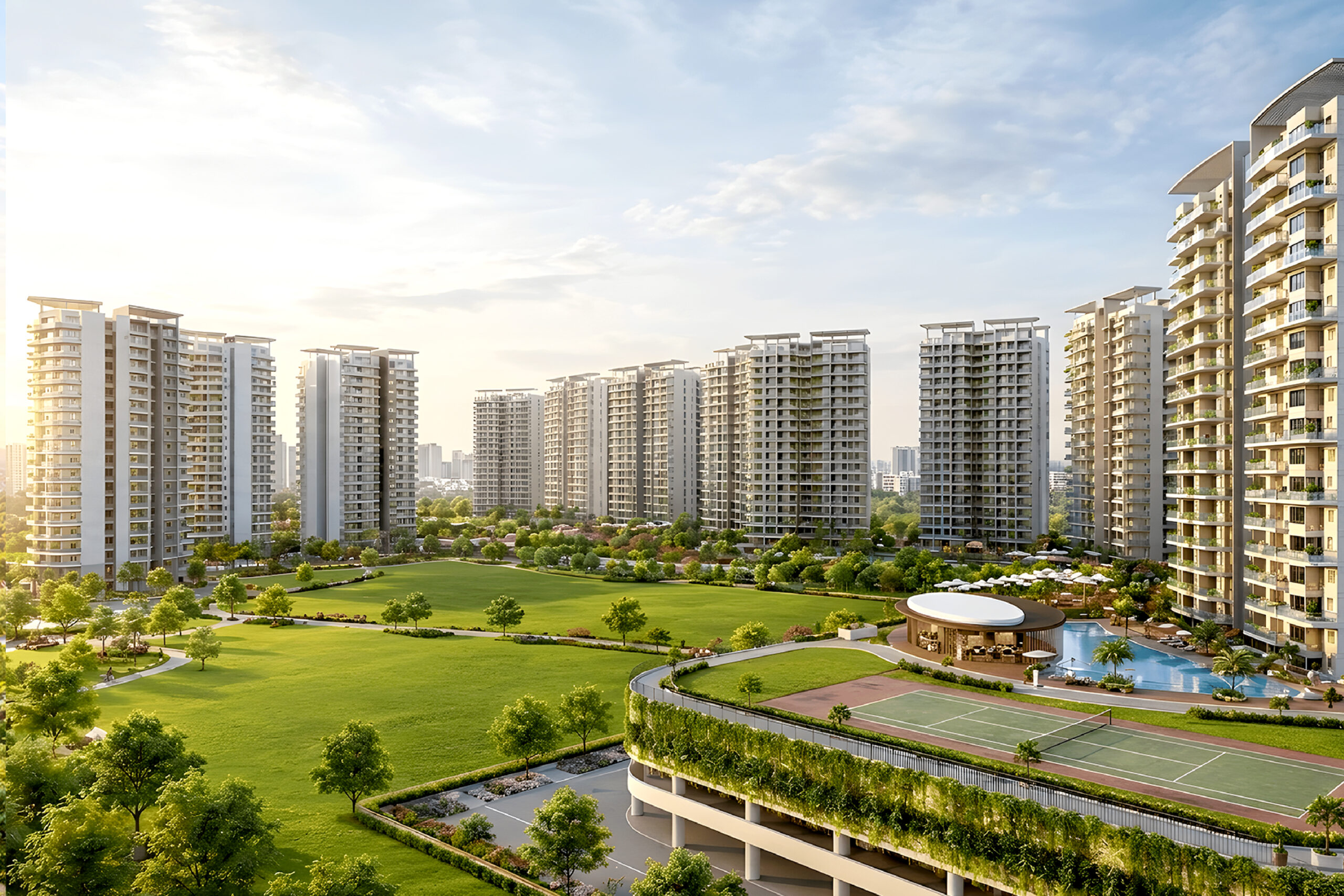
Infrastructure influences where cities grow and how people choose where to live. Across Pune and Pimpri-Chinchwad, road networks, public transport, industrial corridors and social infrastructure are shaping residential development.
For real estate developers in Pune, these changes affect site selection, apartment layouts, utilities and community amenities. From established neighbourhoods such as Pimpri and Chinchwad to developing corridors around Moshi, Chikhali and Ravet, each location presents different connectivity advantages and infrastructure requirements.
Roads, public transport, water supply, schools and healthcare influence a location’s suitability for housing. Developers must assess whether existing infrastructure can support additional residents, not just whether a site is close to a major road.
Residential planning also involves internal circulation, parking, utilities, open spaces and shared amenities. As neighbourhoods expand, property developers in Pune must balance accessibility, functional layouts and long-term community needs.
The operational Pune Metro network connects parts of Pimpri-Chinchwad with other areas of Pune, providing an alternative to road travel along served corridors. Buyers should verify station access and current service availability before factoring metro connectivity into their decisions.
The planned extension from PCMC towards Nigdi and Metro Line 3, intended to connect Hinjewadi with Shivajinagar, are also relevant to regional transport planning. Their benefits depend on implementation, operating status and onward connectivity.
The Mumbai–Pune Expressway and Old Mumbai–Pune Highway support intercity and regional travel. Spine Road connects parts of PCMC, including areas around Moshi, towards the Pune–Nashik Highway, which serves routes towards Bhosari and Chakan.
Road widening, flyovers and junction improvements may help manage congestion, but buyers should confirm whether individual projects are operational, under construction or proposed.
| Infrastructure | Potential relevance |
|---|---|
| Mumbai–Pune Expressway | Intercity travel towards Mumbai |
| Old Mumbai–Pune Highway | Regional road connectivity |
| Spine Road | Connections around Moshi and adjoining areas |
| Pune–Nashik Highway | Access towards Bhosari and Chakan |
| Operational metro stations | Public transport in served areas |
Builders in Pune consider road connections, transport options and access to employment hubs when assessing development sites. Hinjewadi supports IT and business employment, while Bhosari, Chakan and Talawade serve industrial and commercial activity.
A location’s value for residents depends on practical commuting routes, traffic conditions and access to everyday services—not simply its distance from a highway or workplace.
Internal roads, water supply, drainage, electricity, parking and waste management are fundamental to residential development. Landscaped spaces, recreation facilities, pedestrian access and security can complement these essentials.
Developers must also consider changing homebuyer requirements, including usable apartment space, work-from-home flexibility, maintenance costs and functional amenities.
Buyers comparing flats in Pimpri Chinchwad should evaluate individual project addresses, road conditions, commute times and the availability of schools, healthcare and daily conveniences.
Hinjewadi IT Park attracts technology and corporate professionals, influencing housing demand across western Pune and nearby PCMC. Chakan’s manufacturing and automotive industries, Bhosari’s industrial activity and Talawade’s IT and commercial employment also shape residential preferences.
For builders in Pimpri-Chinchwad, understanding these employment patterns helps inform project locations and apartment configurations. However, proximity to employment must be weighed against peak-hour congestion, public transport availability and neighbourhood infrastructure.
New projects in Pimpri Chinchwad are often assessed for road access, practical layouts, essential utilities and community amenities. Families may prioritise ventilation, storage, usable space and recreational areas alongside commute convenience.
Buyers considering 3 BHK flats in Spine Road Moshi should compare carpet area, room dimensions, parking, maintenance charges and access to schools, healthcare and shops. They should also check water supply, drainage, power backup and the completion status of advertised amenities.
Property developers in Pune coordinate building layouts, land use, internal roads, parking, utilities and open spaces within applicable regulations. Their responsibilities also extend to construction quality and the planning of common facilities.
Long-term residential quality depends on effective maintenance, transparent recurring charges and reliable management of shared infrastructure. Buyers should understand who will maintain common areas and how essential services will be managed after possession.
When comparing the top builders in Pune, consider:
Infrastructure development across PCMC is influencing residential locations, apartment planning and buyer priorities. Highways, metro connectivity and employment corridors can improve accessibility, but the practical benefits vary by neighbourhood and project.
For homebuyers, comparing real estate developers in Pune requires looking beyond location claims to evaluate construction quality, essential services, apartment layouts and long-term maintenance. A balanced assessment of connectivity and residential planning can help buyers make more informed property decisions.
 By Admin